
Project Images
A Symbol of Long-Term Community Service by Adopting a Village – Rotary Club of Himalayan Golfers
Growing local economiesLocation: Bhanu Municipality – 11, Ragmoti, Ghale Gaun
Date: May, 2025-26
Beneficiaries: 200
Rotarian Involvement: 41
Non-Rotarian Involvement:
Project Details
Project Description
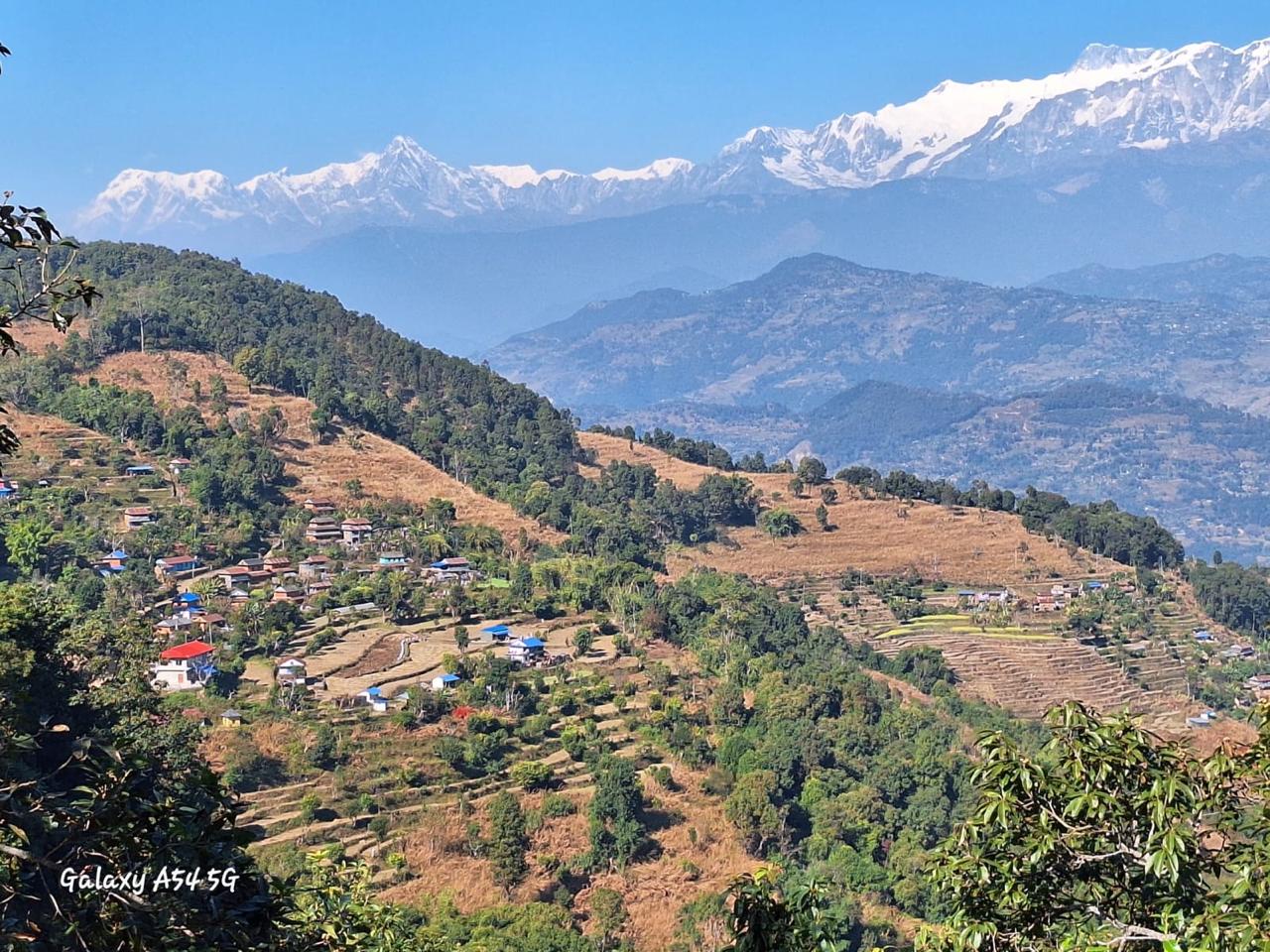
Ragmoti, Ghale Gaun, situated in Bhanu Municipality – 11 of Tanahu District, is a traditional Gurung settlement of approximately 40 households perched at around 1,200 meters above sea level. The village commands sweeping views of Machhapuchhre Himal and sits within a landscape rich in biodiversity, herbal plants, and forest cover. Road access from Dumre (on the Kathmandu-Pokhara highway) makes it reachable without major logistical difficulty. Like many hill communities in Nepal, Ragmoti faces a familiar set of pressures: limited economic opportunity, underutilized agricultural land, and steady youth outmigration. It is precisely this combination of natural potential and unmet need that makes it the right candidate for RCHG's model village commitment.
2. Strategic Overview: Income/Employment Generating Scheme and Tourism Development
The club's approach to Ragmoti rests on two reinforcing pillars. The first is income and employment generation through agricultural enterprise, with specialty coffee cultivation as the centerpiece, supported by diversified crops, beekeeping, and eventually processing infrastructure. The second is community-based tourism development, built around upgraded home-stays, scenic trails, and the village's unique Gurung cultural identity and mountain backdrop. Neither pillar is meant to stand alone. Tourism gives the coffee brand a story and a market face. The coffee plantation gives tourism a destination and an experience. Together, they are designed to create a self-sustaining local economy that doesn't depend on continued external support once the investment period closes.
3. Project Strategy: A Long-Term Community Service (5-Year Plan)
The club has structured its commitment as a phased five-year investment, each Rotary year targeting a distinct layer of development.
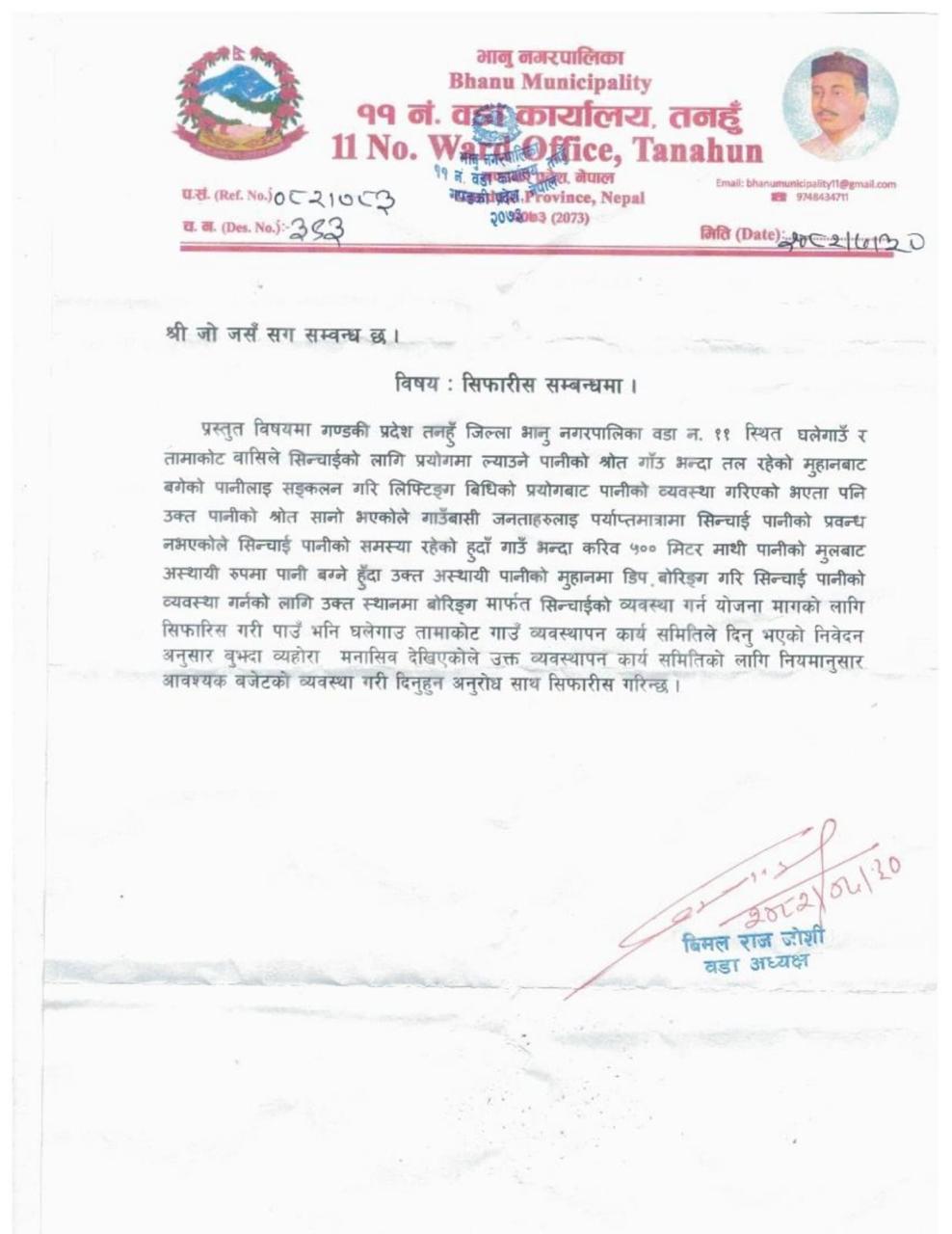
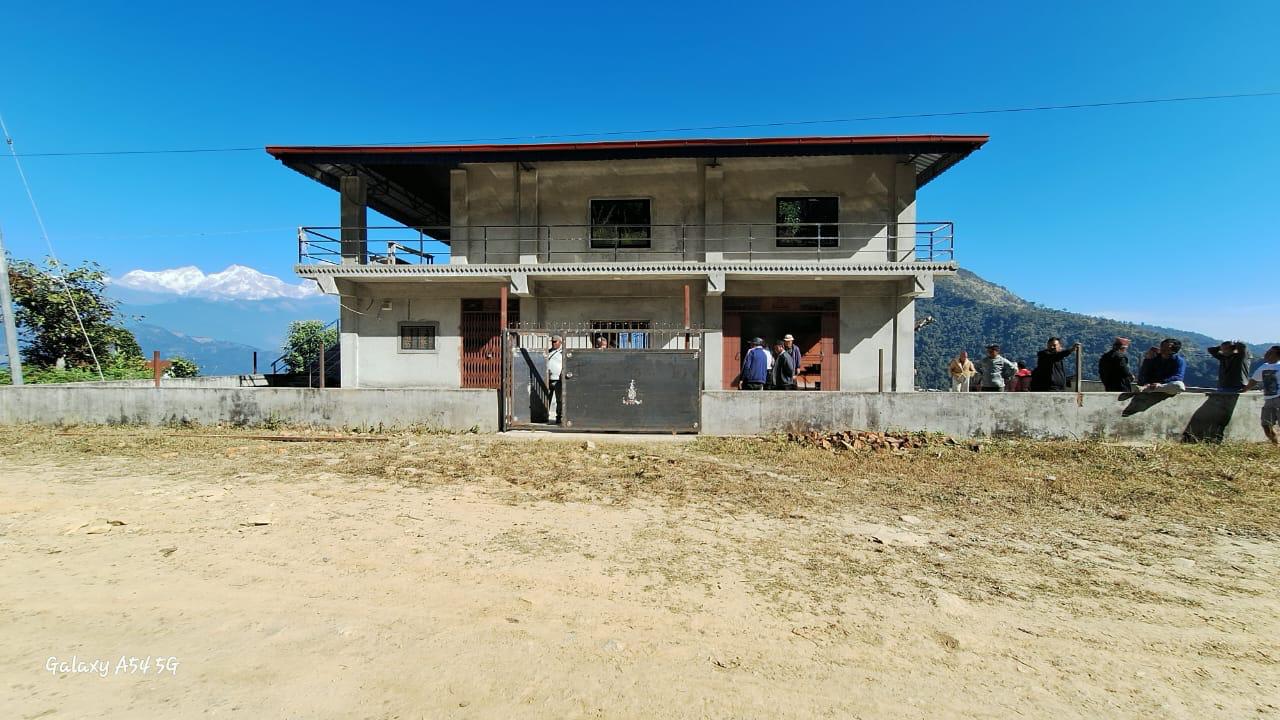
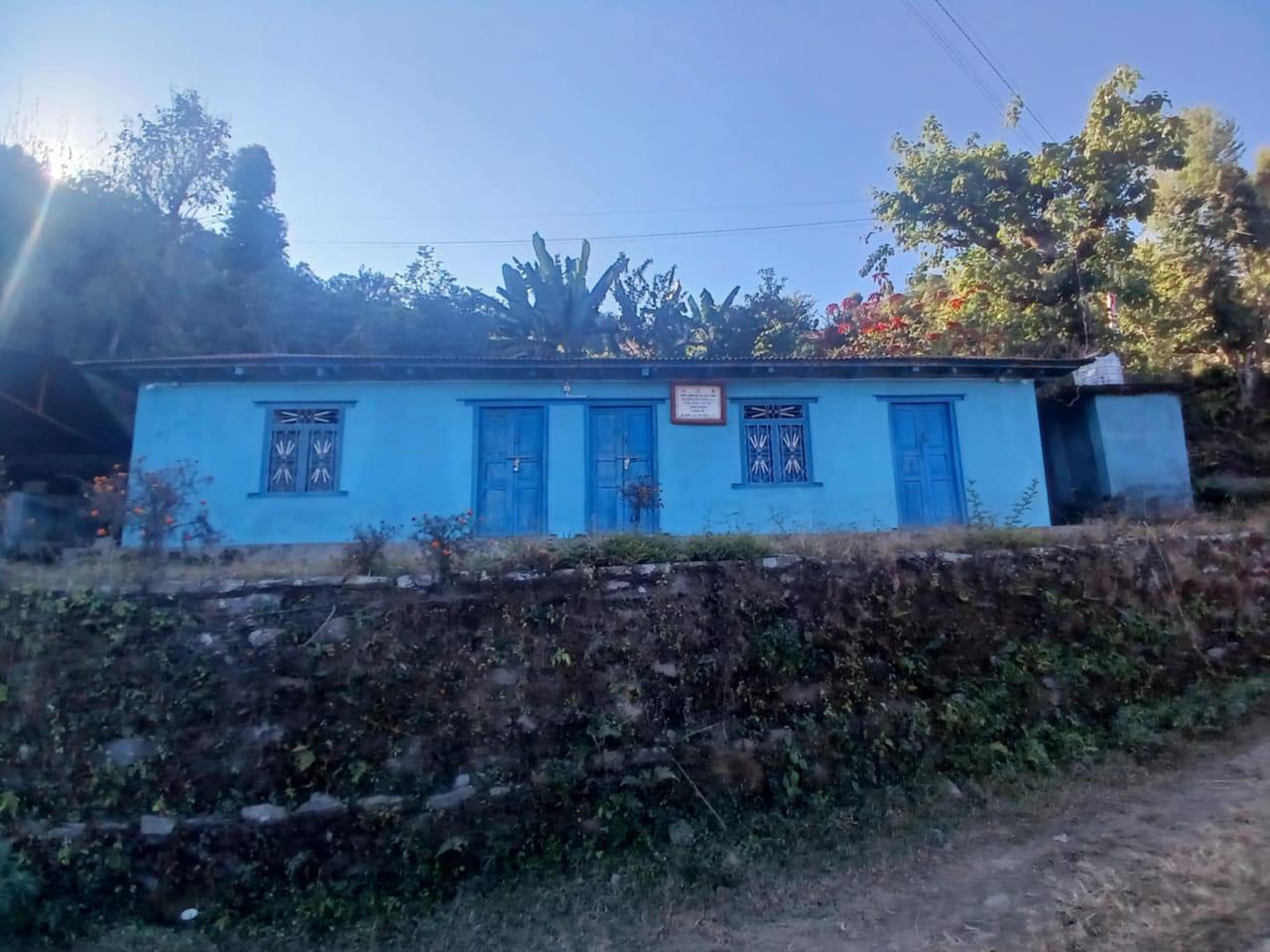
2025-26 Basic Infrastructure Development: The foundation year. Focus is on retrofitting existing homes into functional home-stays that maintain their cultural authenticity while meeting basic safety and comfort standards. A rainwater harvesting system with underground storage tanks is being established for both household and agricultural use, alongside a deep boring scheme for irrigation. Simultaneously, a 2-3 Ropani nursery space with bamboo-framed shading has been set up, with 5-6 kg of quality coffee seeds procured and poly bag germination initiated. Fallow agricultural land is being brought back under cultivation through diversified crops and expanded beekeeping. The total planned investment for this year stands at NPR 2,000,000 and above including deep boring scheme, rainwater tapping pond and nursery work are in progress where as retrofitting of home stay and bedding arrangement is completed.
2026-27 Coffee Plantation and Home-Stay Development Year two scales up on both fronts. Large-scale coffee planting across approximately 5 hectares of terraced slopes, targeting 10,000 plants, becomes the primary agricultural activity. Fast-growing backup crops including ginger are planted alongside coffee to generate interim income during the plantation's maturation period. The labor demand for planting and maintenance alone is estimated at around 50 local workers annually. Home-stay infrastructure continues to expand, with upgraded bathrooms, electricity connections, and improved bedding to bring facilities to a standard that can credibly attract paying guests. Investment for subsequent annual programs is more or less reciprocal in scale.
2027-28 Basic Structure for Tourism Development With the coffee plantation maturing and home-stays operational, attention turns to the tourism experience itself. Walking trails are developed and marked around the village and plantation area. A view tower is constructed at a strategic vantage point to give visitors the Himalayan panorama the village naturally offers. School infrastructure and basic health services also receive attention this year, strengthening the community's overall quality of life alongside its economic development.
2028-29 Integrated Income Generating Scheme The fourth year brings the economic systems together. Local wet and dry processing facilities are established so coffee can be prepared to quality standards on-site rather than sold as raw cherry. Buy-back agreements and market linkages with distributors are secured to give the community reliable price floors. Quality control protocols are put in place for specialty coffee certification pathways, including organic and fair-trade. Comprehensive skill development programs in coffee farming, hospitality management, and entrepreneurship are delivered to local youth, building the human capacity the community will need to run these systems independently.
2029-30 Sustainable Market Development The fifth and final investment year focuses on market maturation. The first major coffee harvest is expected to come in this year, with coffee cherries reaching full ripeness. The community enters formal specialty and export market channels. Carbon credit opportunities tied to the plantation's reforestation and sustainable farming practices are explored. Tourism promotion extends to international trekking networks and travel platforms. The community cooperative governing shared assets becomes fully operational. By the close of this year, the total four-year-plus investment of NPR 8,000,000 and above will have laid the infrastructure for the project to run entirely on its own momentum.
4. Outcome of the 5th Year Plan
From Rotary Year 2029-30 onwards, the plantation is expected to produce approximately 3 kg of green coffee per plant at full maturity. With 10,000 plants across 5 hectares and a conservative market rate of NPR 100 per kg, the projected annual gross revenue from coffee alone reaches NPR 3,000,000. With specialty certifications and direct export relationships, actual revenue could realistically be two to three times that figure, potentially reaching NPR 6-9 million annually. Home-stays across the village will be capable of hosting 20-30 guests simultaneously, generating additional tourism income through accommodation, meals, and guided experiences. Over 50 permanent local jobs are expected to be sustained year-round across cultivation, processing, and hospitality (with further seasonal employment during harvest and peak tourist seasons).
5. Project Maturity Period Plan
In the maturity phase, the community cooperative takes full ownership of operations. Professional training programs delivered through the project years will have produced locally capable managers, farm supervisors, and hospitality workers. Transparent financial management systems and quarterly review mechanisms put in place during the investment years continue to function under community stewardship. The governance structure (comprising village representatives alongside technical advisors) ensures decisions remain community-driven. RCHG transitions from investor and implementer to a supporting partner, available for guidance and network facilitation but no longer operationally central.
6. Project Handing Over Plan to the Land Owners
As the project reaches maturity, formal handover of all developed assets (the plantation, processing facilities, home-stays, trails, and the view tower) is planned to revert to the landowners and the community cooperative. Legal and cooperative frameworks established during the project will govern asset ownership and revenue distribution among community members. The handover process will be documented and audited to ensure all stakeholders receive what was committed to them from the outset. RCHG's role in this phase is to facilitate a clean and empowering transition, not to retain any claim over the productive infrastructure the community has helped build.
7. Project End State Plan
The intended end state of the Ragmoti Model Village Initiative is a community that no longer needs Rotary to function but has the legacy of the Rotary. The one that earns, employs, governs, and grows on its own.
Income Generation: Annual coffee revenues of NPR 3,000,000 at conservative estimates, with specialty market potential of NPR 6-9 million, supplemented by tourism and processed goods sales.
Employment Generation: 50+ permanent local jobs, seasonal harvest and tourism employment, and youth entrepreneurship ventures emerging from vocational training.
Infrastructure Development: Reliable water systems, upgraded home-stays, a functional walking trail network, a view tower, improved school facilities, and a basic health post (all transferred to community ownership).
Expansion to Neighboring Districts: A documented, replicable model that other Rotary clubs across District 3292 and Nepal's broader network of 162 clubs can adapt for their own adopted villages in adjacent districts and regions.
Environmental Balancing: 10,000 coffee plants functioning as carbon sinks, terraced cultivation preventing soil erosion, shade-grown systems supporting biodiversity, and improved water infiltration through increased vegetation cover.
Branding to the International Market: Himalayan specialty coffee from Ragmoti positioned in international markets under organic and fair-trade certification. Carbon credit monetization pursued through verified sustainable farming practices. The village itself marketed as a cultural and ecological tourism destination to international trekkers, development tourists, and specialty coffee buyers.
8. Conclusion
The Ragmoti Model Village Initiative is RCHG's most ambitious long-term commitment to date, and perhaps its most meaningful one. It's a deliberate shift from scattered, short-cycle interventions to something deeper: walking alongside one community through a full transformation arc, from infrastructure deficit to economic independence.
What makes this project worth reporting with pride is not just its scale but its design. Every phase builds on the last. Every investment creates something the next year can use. And at the end of five years, the community doesn't just have a project, it has a functioning economy, a governed cooperative, and a brand with international reach.
Project Gallery
Project Costs
| Description | Amount (NPR) |
|---|---|
| Total Planned Investment for the year | Rs. 2,000,000.00 |
| Total | Rs. 2,000,000.00 |